
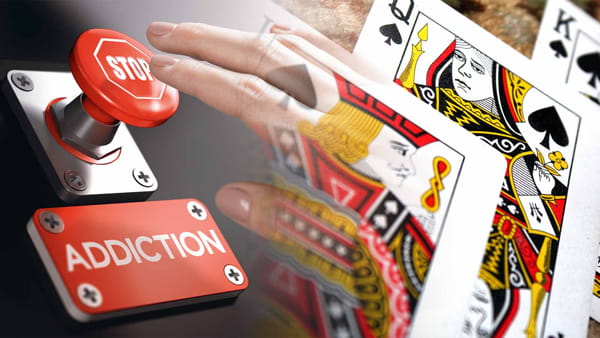
Sometimes a game that begins as harmless entertainment slowly becomes something heavier. At first, everything feels light and exciting. You place a small bet, watch the outcome, and feel that familiar rush of anticipation.
For many people, gambling stays within the limits of entertainment. But for others, the experience slowly changes. A session planned for ten minutes becomes an hour. A small budget turns into repeated deposits. Inside the mind, a quiet voice keeps saying, just one more try.
If someone ever reaches that point, it does not mean they lack discipline or strength. Gambling games are designed to hold attention through excitement, near wins, and emotional highs.
The important thing to understand is that support and safe exit options exist. Many people have faced this situation and successfully taken control again. The first step is recognizing what is happening and knowing that help is available.
Recognizing the Warning Signs Early
Many experts who study gambling behavior say the earliest signs often appear quietly. People may not notice them at first because the changes feel small.
Common warning signs include:
- Spending more money than originally planned
- Chasing losses by trying to win money back quickly
- Thinking about gambling frequently during the day
- Feeling restless or irritated when not playing
- Hiding gambling activity from family or friends
Research in behavioral psychology suggests that around 1 percent to 3 percent of adults worldwide experience serious gambling related problems, while a larger group struggles with occasional loss of control.
One counselor who works with addiction recovery programs explained it this way:
“Gambling problems rarely appear overnight. They grow gradually as the brain becomes attached to the excitement and anticipation of the game.”
Another common emotional sign is chasing losses. This happens when a player loses money and immediately tries to win it back by continuing to gamble. Studies show that chasing losses is one of the strongest predictors of problematic gambling behavior.
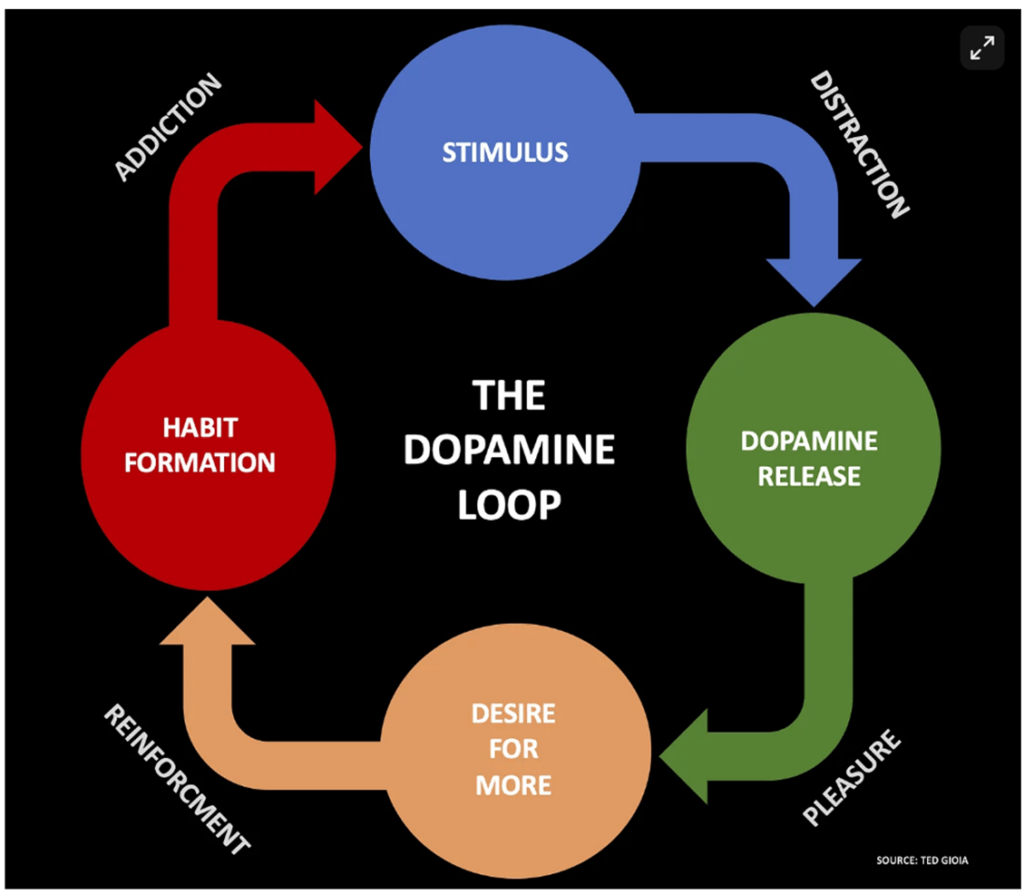
This cycle shows how excitement, loss, and the desire to recover money can trap players in repeated gambling sessions.
Practical Steps to Stop a Gambling Session Safely
When someone realizes they are losing control of their play, stepping away can feel extremely difficult. Emotions are often high and the brain is focused on the possibility of a comeback.
However, there are practical strategies that help many players regain control.
1. Set Clear Limits Before Playing
One of the most effective habits is setting limits on both time and money before starting.
For example:
- Decide to spend only $20 or $50 on entertainment
- Set a timer for 30 minutes or one hour
- Stop playing once either limit is reached
Studies of responsible gambling programs show that players who set limits in advance are significantly less likely to overspend.
2. Take Breaks to Reset the Mind
Continuous play increases emotional intensity and reduces clear thinking. Taking breaks can interrupt that cycle.
Walking outside, drinking water, or simply moving away from the screen for a few minutes can help the brain regain balance.
A behavioral therapist once described it simply:
“Distance breaks the emotional momentum. Even a five minute pause can restore clearer thinking.”
3. Use Self Exclusion Tools
Many online gambling platforms and physical casinos provide self exclusion programs. These tools allow players to block themselves from gambling services for a chosen period of time.
Common options include:
- 24 hour cooling off periods
- Temporary blocks lasting weeks or months
- Permanent exclusion from gambling platforms
Millions of players worldwide have used these tools as a way to create distance and regain control.
Responsible gaming tools allow players to set limits and restrict access when necessary.
What Real People Say About Struggling to Stop
Hearing real experiences often helps people understand that they are not alone.
A former casino player shared this reflection in a public recovery group:
“I always believed the next spin would fix everything. But every time I chased my losses, the situation became worse.”
Another individual explained the emotional pressure they felt during gambling sessions:
“The hardest moment was realizing I had lost more money than planned, but still feeling like I had to keep playing to fix it.”
These experiences highlight a common pattern. The urge to recover losses can create a powerful emotional loop that keeps players sitting at the table longer than they intended.
Professional Help and Support Options
When gambling begins affecting finances, relationships, or mental health, outside support can make a major difference.
Counseling and Therapy
Mental health professionals who specialize in behavioral addiction help individuals understand why gambling habits develop.
Therapy often focuses on:
- identifying emotional triggers
- building healthier habits
- managing stress without gambling
Research has shown that cognitive behavioral therapy is one of the most effective treatments for gambling problems.
Support Groups
Peer support groups allow people to share their experiences with others who understand the same challenges.
Participants often say that hearing similar stories reduces feelings of shame and isolation.
One support group member described the experience this way:
“When I heard other people tell the same story I had lived through, it was the first time I realized I could actually recover.”
Helplines and Immediate Assistance
Many countries offer free helplines where trained counselors listen and provide advice. These services are confidential and designed to help people take the first steps toward recovery.
Helplines often help individuals:
- find counseling services
- create financial safety plans
- connect with recovery groups
Support groups create a safe environment where people share experiences and encourage each other toward recovery.
A Safe Exit Is a Strong Decision
The most important message for anyone struggling with gambling is simple.
You are not alone, and support exists.
Millions of people around the world have faced the same challenge and successfully rebuilt healthier habits. The first step often begins with a small decision to pause and seek support.
Walking away from a game is not failure. It is a way of protecting your future, your finances, and your peace of mind.
Life offers far more opportunities and experiences than any single bet or game. Choosing to step back creates space for new beginnings and healthier choices.
Sometimes the strongest move a person can make is simply standing up, taking a breath, and walking away from the table.