Gambling can be exciting. A small bet can create a rush of hope and anticipation. The spinning reels of a slot machine, the shuffle of cards at a table, or the roll of dice all create moments of suspense that many people enjoy.
For millions of people around the world, gambling is simply a form of entertainment. They place a few bets, enjoy the thrill of chance, and then move on with their day.
However, there is a simple truth that experienced players and experts often mention. Fun activities stay enjoyable only when they remain balanced.
Think about eating dessert. A slice of cake can be wonderful once in a while. But eating cake every day eventually stops feeling good.
Gambling works the same way. When people lose track of time while playing, what started as entertainment can slowly turn into stress.
Learning how to control gambling time is one of the most effective ways to keep the activity safe and enjoyable. Many responsible players already use simple habits that help them stay in control.
Let us explore the reasons time disappears during gambling and the practical ways players can manage it before it becomes a problem.
Why Time Disappears So Easily During Gambling
One of the most common experiences among gamblers is losing track of time. A player might sit down planning to play for twenty minutes and suddenly realize two hours have passed.
Psychologists sometimes refer to this as a “flow state.” When people become deeply focused on an activity, their awareness of time weakens.
Gambling games are specifically designed to create this intense focus.
Players constantly watch for the next result:
• the next spin
• the next card
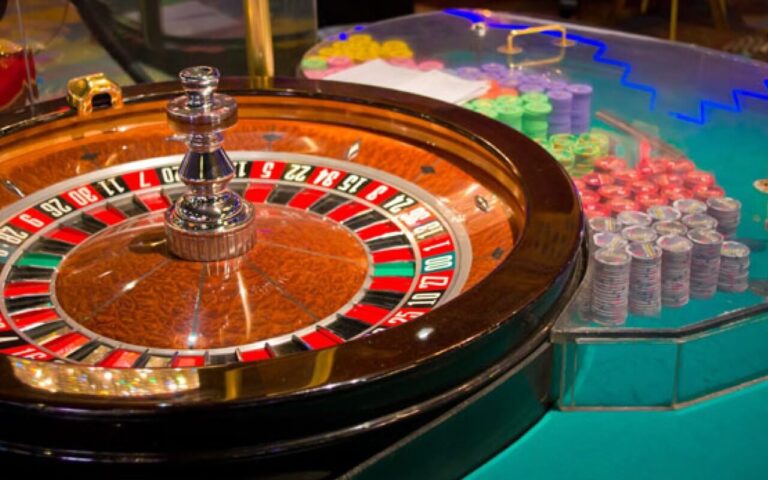
• the next number on the roulette wheel
This constant anticipation keeps the brain engaged.
Research on gambling behavior has shown that continuous games such as slots or online betting sessions can make time feel much shorter than it actually is.
Industry studies estimate that many slot players remain seated for 45 minutes to 2 hours per session without realizing how long they have been playing.

Casinos often design their gaming floors with bright lights, music, and very few visible clocks. These environments encourage players to stay focused on the game rather than on the passing hours.
This does not automatically make gambling harmful. It simply means that players need awareness and personal limits to keep the experience balanced.
Statistics About Gambling Time and Player Behavior
Studies on gambling habits reveal interesting patterns about how long people typically play.
Some commonly cited observations include:
• Many casual players gamble 1 to 3 times per month as a recreational activity.
• Surveys suggest that over 70 percent of casino visitors treat gambling primarily as entertainment rather than as a way to make money.
• Research in behavioral psychology indicates that sessions longer than 2 hours significantly increase the risk of emotional decision making.
Longer sessions can lead to behaviors such as:
• chasing losses
• increasing bet sizes
• ignoring personal limits
This is why many responsible gambling programs recommend time limits as strongly as money limits.
Setting Clear Time Limits Before You Start
One of the simplest and most effective ways to control gambling time is deciding how long you will play before the session begins.
This small decision creates a mental boundary.
For example, a player might decide:
• “I will play for 45 minutes.”
• “I will play for one hour.”
• “After two rounds of poker, I will leave.”
Once the time limit is reached, the session ends regardless of wins or losses.
Many experienced players use simple reminders such as:
• phone alarms
• watch timers
• calendar alerts
When the reminder rings, it acts like a friendly signal that the planned entertainment period is finished.
Example
A player enters a casino with a one hour timer and a $100 budget.
Two clear rules exist:
- Stop when the hour ends
- Stop if the $100 is gone
This structure helps prevent endless play and keeps the activity controlled.

Simple habits such as checking the time regularly can dramatically improve awareness during gambling sessions.
The Importance of Taking Breaks
Even within a planned session, short breaks can help maintain control.
After 20 or 30 minutes of play, stepping away for a few minutes allows the brain to reset.
During a break, players might:
• walk around
• drink water
• talk with friends
• get fresh air
These small pauses can reduce emotional decision making and help players evaluate how the session is going.
Behavioral experts often note that short breaks reduce impulsive betting decisions, especially after losing streaks.
Real Player Experiences
Many gamblers have shared their experiences about managing time.
One casino visitor wrote in an online gambling discussion:
“The biggest change for me was setting a timer. Before that I would sit at a slot machine for hours without noticing. Now I set a 45 minute limit and it keeps things fun.”
Another player explained how breaks helped them stay in control.
“If I walk away from the table for five minutes, my mindset resets. I stop chasing losses and start thinking clearly again.”
These simple stories highlight how small habits can make a big difference.
Keeping Gambling as Entertainment Instead of a Routine
One of the healthiest approaches to gambling is treating it as occasional entertainment rather than a regular routine.
Many experienced players schedule gambling during specific events such as:
• weekend outings
• vacations
• social trips with friends
This keeps gambling connected to a broader experience rather than becoming a daily habit.
A professional responsible gaming advisor once summarized this idea clearly:
“The safest gamblers are the ones who treat betting the same way they treat going to a movie or a concert. It is something they do occasionally, not something they rely on every day.”
When gambling stays occasional, it remains exciting instead of stressful.

Many players enjoy gambling most when it is part of a social outing rather than a long solo session.
Questions That Help Players Stay Aware
Responsible gamblers often ask themselves a few simple questions after a session.
• Did I stick to my time limit?
• Did I enjoy the experience?
• Do I feel relaxed about the outcome?
If the answers remain positive, the activity is likely staying within healthy boundaries.
If someone notices they are playing longer and longer sessions, it may be a signal to adjust habits early.
Small adjustments are always easier than large corrections later.
Final Thoughts
Gambling has existed for thousands of years because people enjoy the excitement and mystery of chance.
The key to enjoying it safely is balance and awareness.
Players who set time limits, take breaks, and treat gambling as entertainment tend to have the healthiest experiences.
In many ways, gambling is like taking a short adventure. The thrill is enjoyable, but the best moment is knowing when to step away.
When players control their time instead of letting time control them, the game stays exactly what it should be.
A brief moment of excitement that fits comfortably within the rest of life.