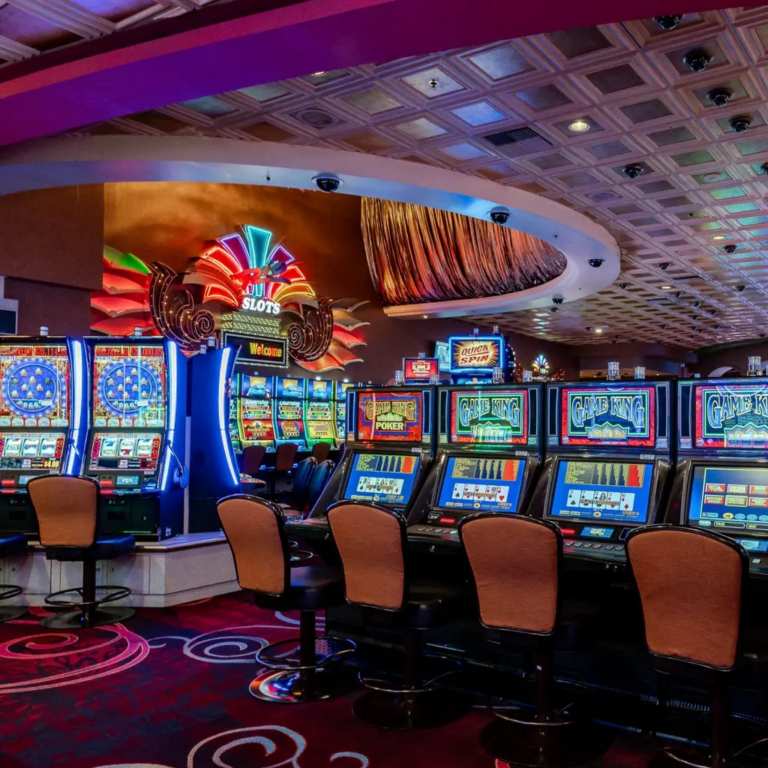
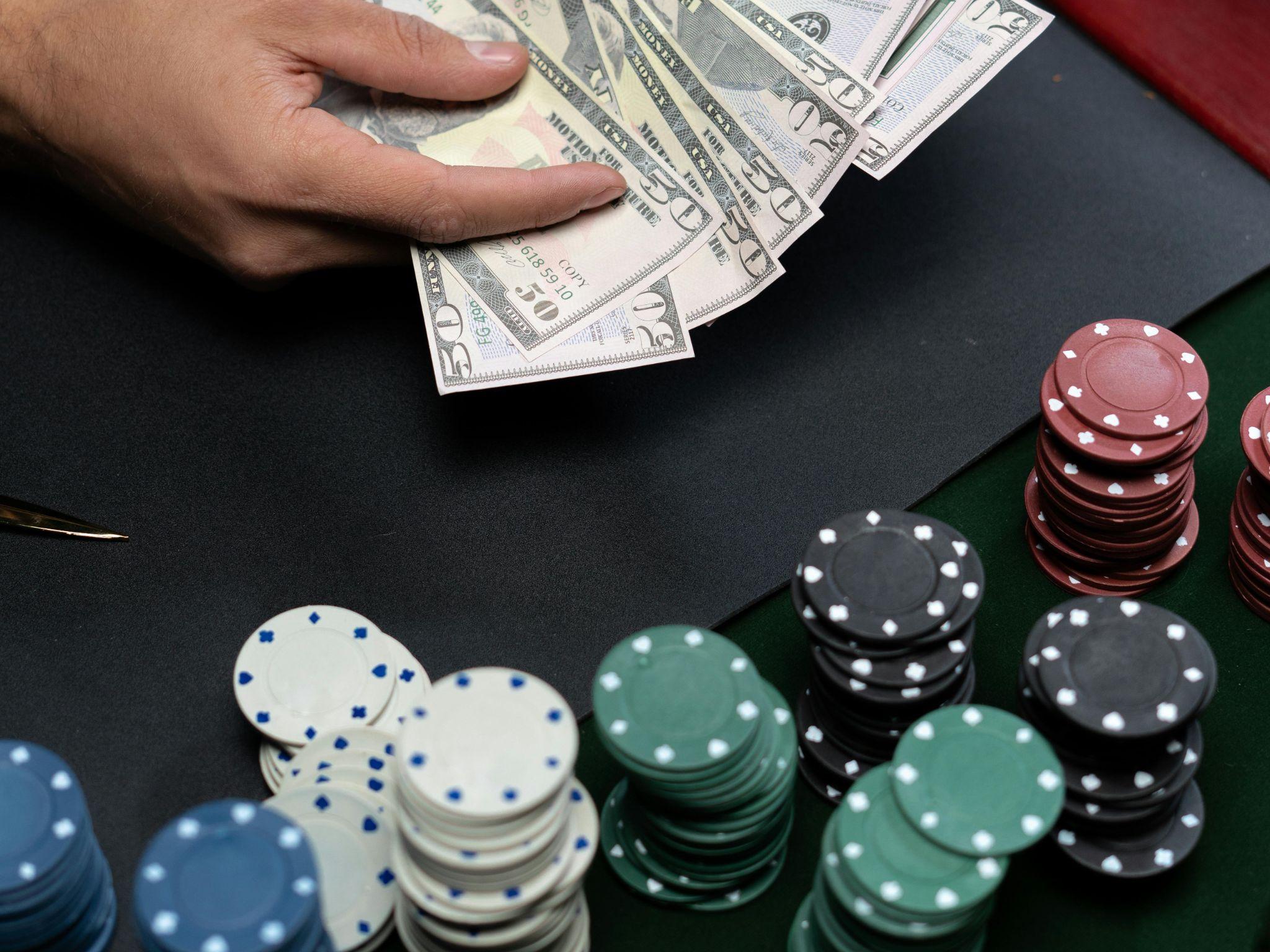
Gambling can be exciting. The spinning roulette wheel, the sound of slot machines, and the suspense of turning a card create a rush that many people enjoy. For many players, it feels like a small escape from daily routines.
However, experienced gamblers understand an important truth. Gambling should be treated as entertainment, not as a reliable way to make money.
Just like paying for a movie ticket or a concert, gambling should come from money that you can comfortably afford to lose. This is where a fixed gambling budget becomes essential.
A gambling budget is simply a clear spending limit that you decide before playing. When that limit is reached, the session ends.
The idea sounds simple. But many players struggle to follow it because emotions, excitement, and the desire to recover losses can make it difficult to stop.
Learning how to set a fixed gambling budget and actually stick to it is one of the most important habits any player can develop.
Why a Gambling Budget Matters More Than You Think
Many new gamblers start playing without a clear plan. They might open a betting app or walk into a casino thinking they will only play for a short time.
But without a defined limit, it becomes very easy to lose track of spending.
Studies of gambling behavior show that people without a preset budget are significantly more likely to overspend during gambling sessions. Responsible gambling organizations frequently recommend budgeting as the first step in safe play.
A budget creates protection in several ways:
- It limits financial risk
- It prevents emotional decisions
- It keeps gambling enjoyable instead of stressful
Consider this example.
A player enters a casino with $100 as their gambling budget. That money is already marked as entertainment spending. If it is lost, nothing in their daily life is affected.
Now compare that with someone who begins playing with no plan. They may start with $50, lose it, deposit another $50, and continue chasing losses. Before long, they might spend far more than they intended.
A fixed budget acts like a guardrail. It keeps the experience safe and controlled.

Many experienced players bring only the amount they plan to spend. Once those chips or cash are gone, the session ends.
How Experienced Players Set Their Gambling Budget
Creating a gambling budget does not require complicated financial planning. It simply requires honesty and discipline.
The safest approach is to follow three basic steps.
1. Cover All Essential Expenses First
Your essential expenses always come first:
- Rent or mortgage
- Food and groceries
- Bills and utilities
- Transportation
- Savings and emergency funds
Only after these responsibilities are covered should entertainment spending be considered.
Many financial advisors suggest limiting gambling spending to a small percentage of disposable income, often less than five percent of monthly entertainment money.
2. Choose a Fixed Monthly Limit
Once you know how much entertainment money is available, choose a clear monthly gambling budget.
Examples:
- $50 per month
- $100 per month
- $200 per month
The amount itself is not important. What matters is that it is comfortable and affordable.
Professional poker player Annie Duke once explained the importance of this mindset:
“You should always assume that any money you bring to gamble is already spent. If you cannot accept losing it, you should not bring it to the table.”
3. Divide the Budget Into Smaller Sessions
Many experienced players avoid spending their entire budget at once.
Instead, they split it across multiple sessions.
Example:
Monthly budget: $100
- Session 1: $25
- Session 2: $25
- Session 3: $25
- Session 4: $25
This approach helps extend entertainment time and reduces the risk of large emotional swings.
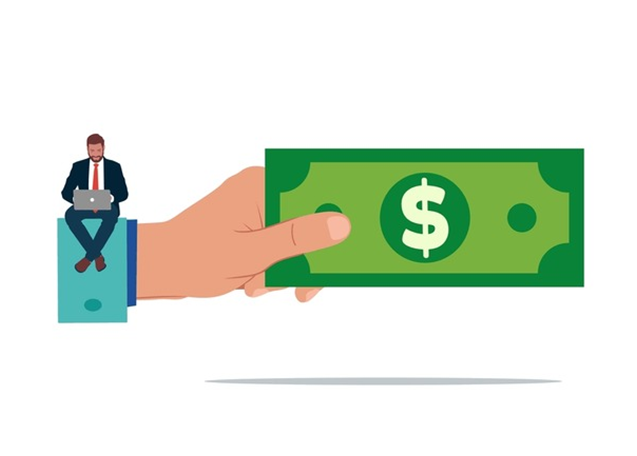
Dividing a gambling budget into smaller sessions allows players to control spending and enjoy the experience longer.
The Biggest Challenge: Sticking to the Budget
Setting a budget is easy. Following it requires discipline.
The main reason players break their budget is emotion.
Two situations cause the most problems:
Winning streaks
When players win early, they often feel confident and keep playing longer than planned.
Losing streaks
When players lose, they sometimes chase losses by depositing more money in hopes of recovering it.
Behavioral studies in gambling psychology show that loss chasing is one of the most common reasons players exceed their budget.
One casino player shared this experience on a gambling forum:
“I started with $40 and lost it quickly. I told myself I would just add another $20 to win it back. Two hours later I had spent over $200. That’s when I realized I needed a strict limit.”
This story is common among gamblers who do not enforce firm spending rules.
Practical Tricks That Help Players Stick to Their Limit
Experienced gamblers use several simple strategies to maintain control.
Bring Only the Money You Plan to Spend
Many casino visitors bring only cash for their budget and leave bank cards at home or in the car.
Once the cash is gone, the session naturally ends.
Use Separate Gambling Wallets
Online players often move their gambling money into a separate digital wallet or prepaid account.
This creates a clear boundary between gambling funds and everyday finances.
Set Time Limits
Research shows that longer gambling sessions often lead to higher spending.
Setting a timer for 30 to 60 minutes helps players pause and evaluate their spending.
Take Breaks
Short breaks reduce emotional decisions.
A five minute walk, a drink of water, or simply stepping away from the game can reset the mind.
Professional gambler David Sklansky once said:
“Discipline is the most valuable skill in gambling. The hardest part is not learning the game, but learning when to stop.”

Stepping away from the table for a few minutes can help players think clearly and maintain control over their spending.
Statistics About Gambling Behavior
Research into gambling habits reveals some interesting patterns.
- Many casual gamblers spend between $20 and $100 per session depending on the game and location.
- Studies show that players who set limits in advance are far less likely to overspend.
- Responsible gambling programs report that pre-commitment budgets significantly reduce impulsive betting behavior.
These findings support what experienced players already know.
Planning your spending before you play dramatically improves control.
The Real Secret: Accepting the Budget Before the Game Begins
The most effective mindset is simple.
Treat the gambling budget as the cost of entertainment.
When players mentally accept that the money is already spent, they remove the pressure to win it back.
This mindset changes the entire experience.
Wins become exciting bonuses. Losses become part of the entertainment cost.
One longtime slot player described it perfectly:
“Once I started treating my gambling budget like the price of a night out, the stress disappeared. Sometimes I win, sometimes I lose, but I never regret the amount I spend.”
A Healthy Way to Enjoy Gambling
Gambling will always involve chance, excitement, and uncertainty. That unpredictability is part of what makes it fun.
But the experience stays enjoyable only when players remain in control.
A clear budget creates that control.
It protects your finances, reduces emotional decisions, and allows you to enjoy the game without worry.
At the end of the day, responsible players follow a simple rule.
Spend only the money that was planned for entertainment.
Enjoy the experience while it lasts.
And when the budget is gone, walk away with confidence.
Sometimes the smartest win in gambling is not a jackpot.
It is the decision to stop exactly when you planned to.