Why Losses Can Lead to More Betting
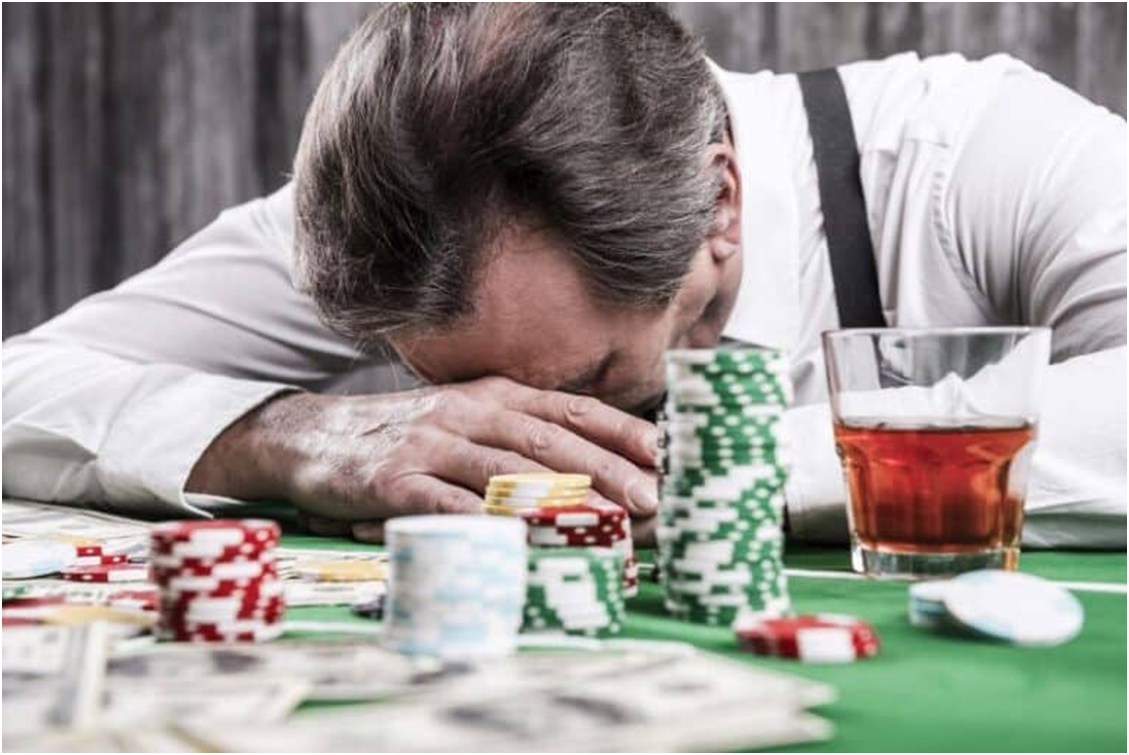
Losing money can create a powerful urge to try again. A person may believe that one successful bet will restore the amount already lost and allow them to stop. This behaviour is commonly called chasing losses, and it can turn a limited setback into a much larger financial problem.
The pressure often comes from a desire to correct what feels like an unfinished situation. Instead of treating a loss as money that has already gone, a bettor begins viewing it as a temporary gap that must be recovered. This way of thinking can make further betting seem necessary, even when the person originally intended to stop.
The Cycle of Riskier Decisions
Chasing losses can affect judgment. After several unsuccessful bets, someone may increase the amount wagered, choose unfamiliar markets, or continue playing longer than planned. Each new decision is influenced by the previous loss rather than by a fresh assessment of the risks.
For example, a person might set aside a fixed entertainment budget for a weekend match. After losing that amount, they place another bet using money intended for groceries or transport. If that bet also loses, the pressure to recover the combined amount may become even stronger.
The cycle can continue because every new wager creates another opportunity to lose more. There is no guarantee that the next result will compensate for earlier losses. Gambling outcomes do not become more favourable simply because someone has already lost money. Go with this web.
Understanding the Emotional Pressure
Frustration, embarrassment, and anxiety can make it difficult to stop. Some people keep betting because they do not want to accept a loss. Others may feel that stopping means admitting a mistake.
These reactions are understandable, but they can encourage decisions that worsen the original problem. The UK National Health Service identifies attempts to win back lost money, borrowing to gamble, and gambling-related financial stress among warning signs that may indicate harm.
Recognizing the emotional trigger is important. If a person notices that they are betting mainly to feel better about a previous result, taking a break is safer than placing another wager.
Practical Ways to Interrupt the Cycle
Several steps can help create distance between a loss and the next decision.
- Stop the session: Do not place another bet to recover money lost during the same session.
- Protect essential funds: Keep rent, food, bills, transport, and savings separate from gambling money.
- Add barriers: Remove betting apps, block gambling websites, or ask a bank whether gambling-payment restrictions are available.
- Record the full picture: Review deposits and withdrawals rather than remembering only occasional wins.
- Tell someone trustworthy: Sharing the situation can reduce secrecy and make it easier to seek help.
These steps are not a substitute for professional support when gambling feels uncontrollable. Counselling and specialist services can help people understand triggers and develop ways to respond differently.
Accepting a Loss Without Increasing It
A past loss cannot be undone by a future wager. Accepting this fact may feel uncomfortable, but it prevents the belief that more gambling is required to restore financial balance.
When the urge to recover money becomes repetitive, or betting begins affecting household expenses and relationships, it is important to seek support rather than handle the problem alone. Breaking the cycle starts with interrupting the next bet, protecting essential finances, and addressing the pressure behind the decision.