
Why Common Gambling Myths Persist
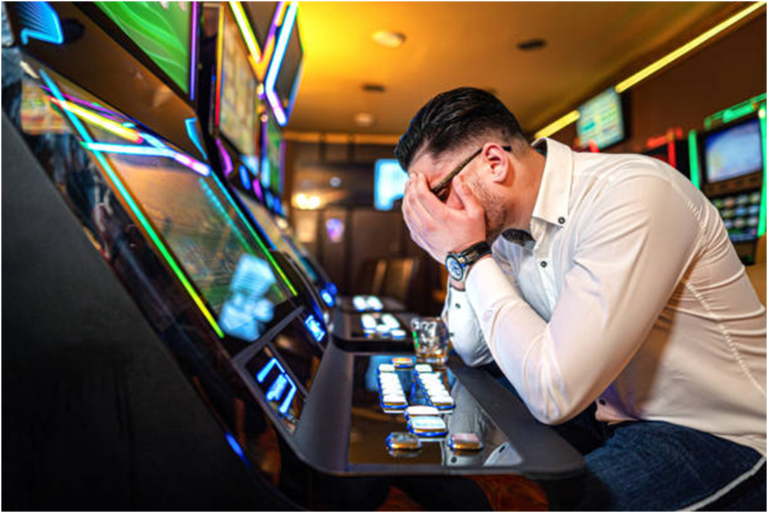
Gambling often involves uncertainty, and people naturally look for explanations when results seem unpredictable. A sequence of wins may appear meaningful, while repeated losses can feel as though they must lead to a change. These interpretations can create beliefs that seem convincing but do not match the mathematics of the game.
Such beliefs may influence spending decisions. Someone who thinks they have discovered a reliable pattern might increase their wagers, continue after reaching a limit, or spend money they cannot afford to lose. Understanding the difference between intuition and mathematical evidence can help prevent these choices.
The Myth That a Win Is Overdue
One widespread belief is that a particular outcome becomes more likely after it has not appeared for some time. This is often called the gambler’s fallacy.
Consider a fair coin that lands on tails five times in a row. A person might conclude that heads is now more likely because tails has appeared repeatedly. However, if each flip is independent, the chance of heads on the next flip remains 50%.
The same principle applies to independent gambling events. Previous losses do not automatically make a win more likely on the next attempt. Continuing to gamble because a winning result feels overdue can lead to additional losses.
Some games have different rules, so the probability of an outcome must be evaluated in context. The key is to understand whether previous results genuinely affect future probabilities rather than assuming that they do.
The Myth That a Winning Pattern Will Continue
A different mistake occurs when people believe that recent success signals continued good fortune. After a few wins, a player may feel more skilled or confident and begin placing larger wagers.
In games where outcomes are primarily determined by chance, a winning streak does not establish that future results will follow the same pattern. A person can win several rounds and then lose the next one. Past success alone does not guarantee future success.
This belief can be especially risky when a player starts treating temporary winnings as money that can be freely spent. A responsible approach is to maintain the original budget rather than increasing it because recent results have been favourable. Click me!

Why Near Misses Are Not Promises
A near miss occurs when an outcome appears close to a winning result. For example, a slot game might display symbols that nearly form a winning combination. The experience can feel encouraging, even though it does not necessarily improve the chance of winning on the next spin.
In a game with independently generated outcomes, a near miss does not mean that a win is approaching. The next result is determined by the game’s rules and probability model, not by how close the previous result appeared.
This distinction matters because near misses can encourage people to continue playing longer than planned. The feeling of being close to success should not be mistaken for evidence that success is more likely.
Let Evidence Guide Expectations
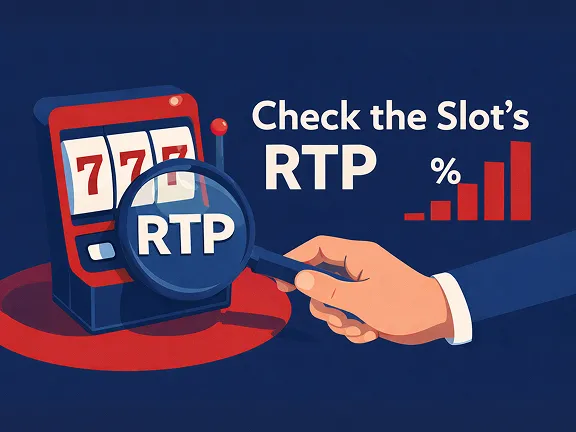
Mathematical information, including published odds, RTP, and house edge, provides a more reliable basis for understanding a game than lucky numbers, personal rituals, or perceived patterns. Even accurate information cannot predict every outcome or eliminate risk.
A useful habit is to question claims that promise a guaranteed strategy or suggest that losses can always be recovered. Gambling systems promoted as certain solutions should be treated with caution, especially when they encourage larger bets or repeated deposits.
Protect Decisions From Misleading Beliefs
Recognizing gambling myths is not only about understanding mathematics. It also means noticing when a belief begins influencing behaviour. If someone keeps playing because they feel a win is due, or increases spending after a winning streak, taking a break can help interrupt that reaction.
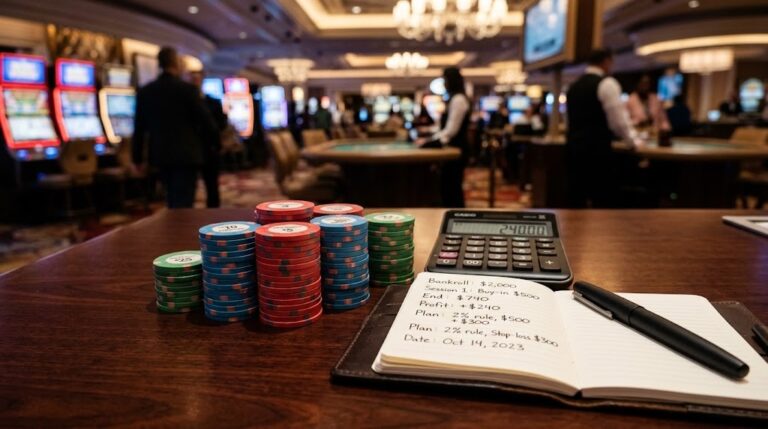
Set spending limits in advance, protect essential expenses, and never rely on gambling to provide dependable income. When it becomes difficult to follow these boundaries, self-exclusion tools or professional support may help.
Mathematical evidence cannot remove uncertainty from gambling, but it can challenge misleading assumptions and support more informed decisions.