
The Connection Between Emotions and Money
Financial decisions are not always based on careful calculations. Emotions can influence how people assess risk, respond to losses, and decide whether to spend more. Gambling can make this connection particularly noticeable because outcomes may arrive quickly and create strong feelings of excitement, disappointment, or anticipation. Read me!
A person who begins with a fixed budget may find it harder to follow that plan when emotions take over. Understanding these reactions can help people recognize risky patterns before they affect their finances.
How Excitement Can Encourage Overspending
Winning or nearly winning can create a sense of momentum. Someone may feel confident, assume that their luck will continue, or decide that a larger bet is justified. However, excitement does not change the mathematical odds of a game or guarantee a particular outcome.
For example, a person might plan to spend a small amount during an evening of gambling. After an early win, they increase their stakes because they feel comfortable taking greater risks. If they continue spending without checking their original limit, the money set aside for entertainment can disappear more quickly than expected.
A useful response is to establish spending and time limits before starting. Taking a break after a win can also provide an opportunity to review the budget instead of making decisions while excitement is high.
Why Frustration Can Lead to Chasing Losses
Losing money can create a strong desire to recover it. This reaction is often called chasing losses. A person may continue gambling, increase their stakes, or deposit additional money because stopping feels like accepting defeat.
Consider someone who loses the amount they planned to spend. They become frustrated and believe that one more attempt could restore their balance. Instead of ending the session, they use money originally intended for another purpose. The attempt to correct the first loss creates a second financial risk.
Past losses do not guarantee that a future outcome will be favourable. Continuing to gamble in order to recover money can therefore deepen the loss rather than resolve it.
The most protective response is to stop when the predetermined limit is reached. A loss should not be treated as a debt that must be recovered through further gambling.
Recognize Personal Emotional Triggers
People may notice different patterns in their behaviour. Some spend more when they feel excited, while others turn to gambling during boredom, loneliness, stress, or frustration. Recognizing these triggers can help identify situations in which spending decisions are more likely to become impulsive.
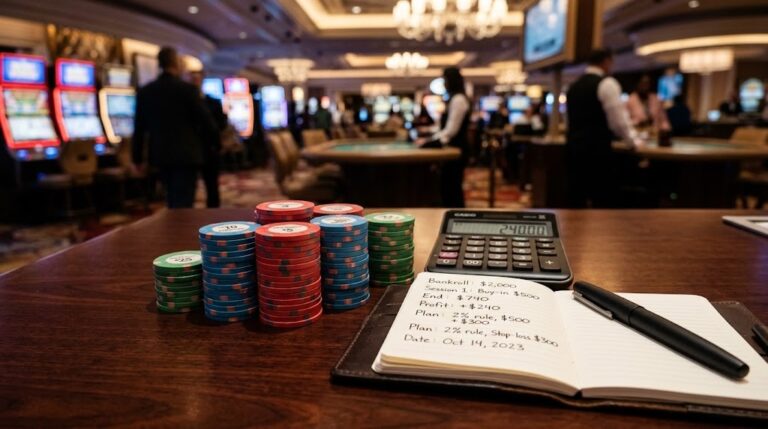
Keeping a brief record of the circumstances surrounding gambling sessions can be useful. A person might note their mood before playing, how long they spent, whether they exceeded their budget, and what happened immediately before the decision to continue.
Over time, this record may reveal that gambling becomes harder to control after a stressful workday or following a disappointing result. Avoiding gambling during these periods may reduce the likelihood of impulsive decisions.
Create a Pause Before Spending More
A short pause can interrupt an emotional reaction. Stepping away from the screen, taking a walk, speaking with someone trusted, or reviewing the original budget may help a person regain perspective. Deposit limits, time reminders, and blocking tools can provide additional protection.
However, repeated difficulty stopping should not be dismissed as a lack of discipline. If gambling begins affecting bills, relationships, sleep, or emotional well-being, professional guidance or a gambling support service may be appropriate.
Recognizing the influence of frustration and excitement is an important part of financial self-awareness. The aim is not to eliminate emotions but to prevent temporary feelings from making long-term financial decisions.