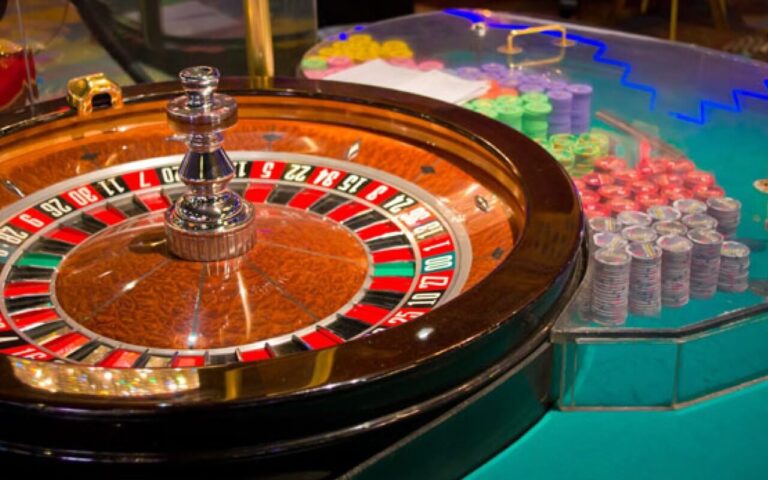

Many people begin gambling with a simple goal. They want a little fun, some excitement, or a short break from daily stress. A few small bets feel harmless. A small win brings a smile. The atmosphere feels relaxed.
But the mood can change quickly when losses start to appear.
One loss becomes two. Then three. Suddenly the mind begins suggesting something dangerous.
“Just one more round. Maybe the next one will recover everything.”
This moment is known as chasing losses. It happens when a player keeps betting repeatedly in an attempt to recover money that has already been lost.
It is one of the most common habits in gambling and one of the most risky. Studies from behavioral psychology show that many gamblers increase their bet size after losses because they feel a strong urge to recover what disappeared.
The good news is that this pattern can be stopped. Understanding why chasing happens and learning simple ways to interrupt the cycle can prevent a small loss from turning into a serious problem.
What Chasing Losses Really Means
Chasing losses happens when a player refuses to accept a losing session and continues betting in hopes of reversing the outcome.
At first the idea feels logical.
If someone loses $50, they might believe that one good win could bring their balance back. But when another loss happens, the player may try again. Soon the goal changes from enjoying the game to simply fixing the loss.
Research in gambling behavior has shown that around 70 percent of regular gamblers admit they have chased losses at least once during their gambling experience. This shows how common the situation really is.
Example
Imagine a player starting with $100.
- The player loses $40
- They increase the bet to win it back faster
- Another loss happens
- Now the player is down $70 and feels pressure to recover everything
At this point the session is no longer about fun. It becomes an emotional attempt to repair the loss.

This cycle often follows a pattern: loss, frustration, larger bet, more pressure, and another loss. Recognizing this pattern early is the first step to stopping it.
Why the Brain Hates Losing
The human brain reacts strongly to losses. Psychologists describe this effect as loss aversion.
Loss aversion means that losing money feels about twice as painful as the pleasure of winning the same amount.
For example, losing $100 can feel emotionally stronger than winning $100 feels enjoyable.
Because of this reaction, the brain immediately searches for a solution. It wants to remove the uncomfortable feeling as quickly as possible. Gambling provides a tempting shortcut. One more bet might fix the problem instantly.
But that solution rarely works the way people hope.
A well known investor once explained the emotional danger of trying to recover losses too quickly.
“The stock market is a device for transferring money from the impatient to the patient.”
Warren Buffett
The same idea applies to gambling. When decisions are driven by frustration instead of patience, the chances of making risky choices increase.
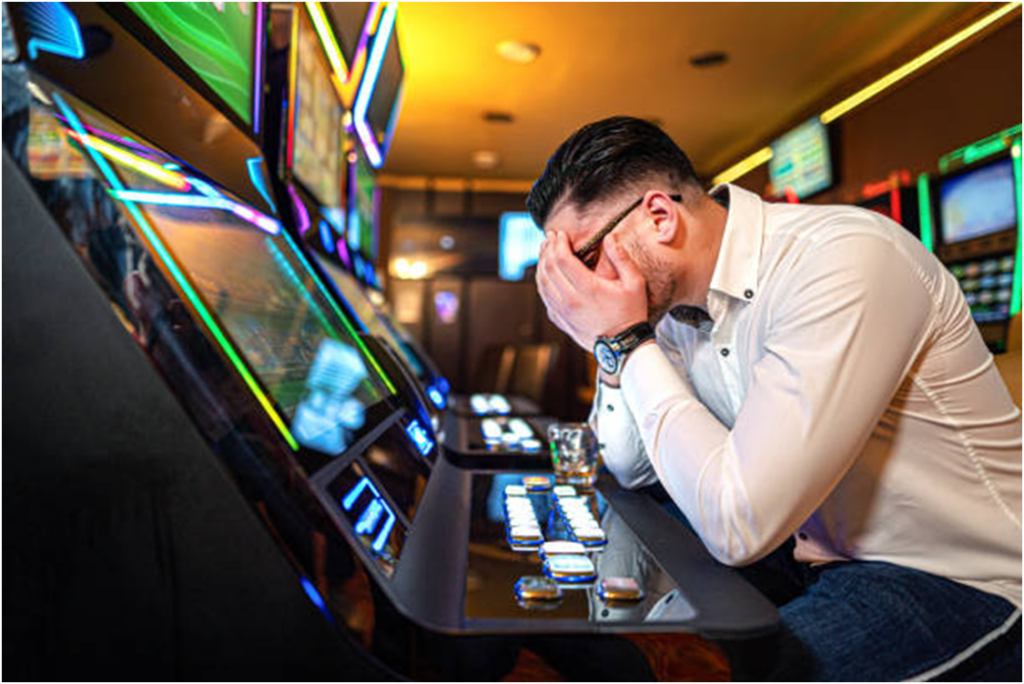
When players try to recover losses quickly, they often increase their bets or take bigger risks, which can accelerate the losses even more.
Signs That You Might Be Chasing Losses
Many gamblers do not realize they are chasing losses until the session has gone too far. Some warning signs appear early.
Common signs include:
- Increasing bet sizes after losing
- Feeling angry or frustrated while playing
- Believing the next round must be a win
- Continuing to play after reaching a planned budget
- Trying to win back money immediately instead of stopping
Recognizing these signals early can prevent a stressful situation from getting worse.
Real Experiences From Players
Many experienced gamblers eventually learn how dangerous chasing losses can be.
One player shared their experience on an online casino discussion board:
“I started with $200 and lost half in twenty minutes. Instead of stopping, I kept doubling my bets. Within another half hour the entire bankroll was gone.”
Another player described the emotional side of the experience:
“The worst part is not the loss itself. It is the feeling that you could fix it with just one more win.”
These stories are common among gamblers around the world.
Simple Ways to Stop Chasing Losses
Breaking the chasing habit does not require complex strategies. A few simple rules can protect players from emotional decisions.
Set a Loss Limit Before Playing
Before any gambling session begins, decide the maximum amount you are comfortable losing.
For example:
- Session budget: $100
- Loss limit: $100
If the limit is reached, the session ends. The decision was already made earlier when emotions were calm.
This removes the pressure of making a difficult choice during a stressful moment.
Take Regular Breaks
Long gambling sessions can slowly build emotional tension without the player noticing.
Stepping away for a few minutes can help reset the mind.
Even a short walk, a drink of water, or fresh air can reduce the urge to keep betting.
Avoid Increasing Bets After Losses
Many players attempt to recover losses quickly by increasing their bet size.
Statistics show that this approach often leads to faster losses rather than recovery.
Keeping bet sizes consistent helps maintain control.

Short breaks help reduce emotional pressure and allow players to think more clearly before making the next decision.
Accepting That Losses Are Part of Gambling
Every gambling activity includes risk. Even professional players experience losing sessions.
In casino games, the mathematical structure ensures that losses will happen regularly.
Across many casinos, the average house edge ranges between 1 percent and 10 percent depending on the game. This means the odds are slightly tilted toward the casino over time.
Understanding this fact helps remove the pressure to recover every loss immediately.
Sometimes the smartest decision is simply stopping for the day.
Learning the Power of Walking Away
Walking away can feel difficult in the moment. The mind may keep replaying the last few bets and imagine what might happen next.
But experienced gamblers eventually learn an important truth.
The game will always be there tomorrow.
Roulette wheels will keep spinning. Cards will continue to be shuffled. New opportunities will appear later.
Protecting your mindset and financial balance today is far more valuable than forcing another risky bet.
Many responsible gamblers treat gambling like entertainment. The money they bring is the cost of that experience, similar to paying for a concert ticket or a night out.
This mindset removes the pressure to win back every dollar.
A Final Thought
Chasing losses is one of the easiest traps to fall into and one of the hardest to notice while it is happening.
The key is awareness.
Recognize the emotional signals. Set clear limits before playing. Take breaks when frustration rises. Most importantly, remember that walking away is not a defeat.
In many situations, it is the smartest and strongest decision a player can make.
Sometimes the real win is simply knowing when to stop.