For many people, gambling begins as simple entertainment. Someone might play a friendly card game with friends, place a small sports bet during a big match, or try an online slot out of curiosity.
At the beginning it often feels harmless.
There is excitement, small wagers, and sometimes a lucky win that makes the experience fun. For most players, gambling stays a casual activity similar to watching sports or playing video games.
However, for some people the relationship with gambling slowly changes.
It rarely happens suddenly. Instead, it develops gradually. Small habits begin to grow. Thoughts about gambling appear more frequently. Money decisions shift slightly. Time spent on gambling increases without being fully noticed.
These subtle changes can become early warning signs.
Understanding these signs is important because recognizing them early makes it much easier to regain control and restore balance.
When Gambling Starts Taking More Time and Mental Space
One of the earliest signals appears in the way a person begins to think about gambling.
At first, gambling may only happen occasionally. Perhaps once a month or during special events. But as interest grows, thoughts about gambling may appear more often throughout the day.
A person might:
- Think repeatedly about past wins or losses
- Plan the next betting session during work or study hours
- Check betting apps frequently throughout the day
- Watch large amounts of gambling related content online
According to studies from behavioral psychology groups, many people who develop gambling problems report that gambling gradually becomes a daily mental focus long before financial issues appear.
Real Player Experience
One player shared his experience in an online discussion group:
“At first I only played poker on weekends. After a few months I noticed I was thinking about it constantly, even during meetings at work.”
Another person described something similar:
“I started checking odds every morning. I told myself it was just interest in sports betting, but eventually it became part of my daily routine.”
These kinds of changes may seem small, but they show how gambling can slowly begin occupying more space in someone’s life.
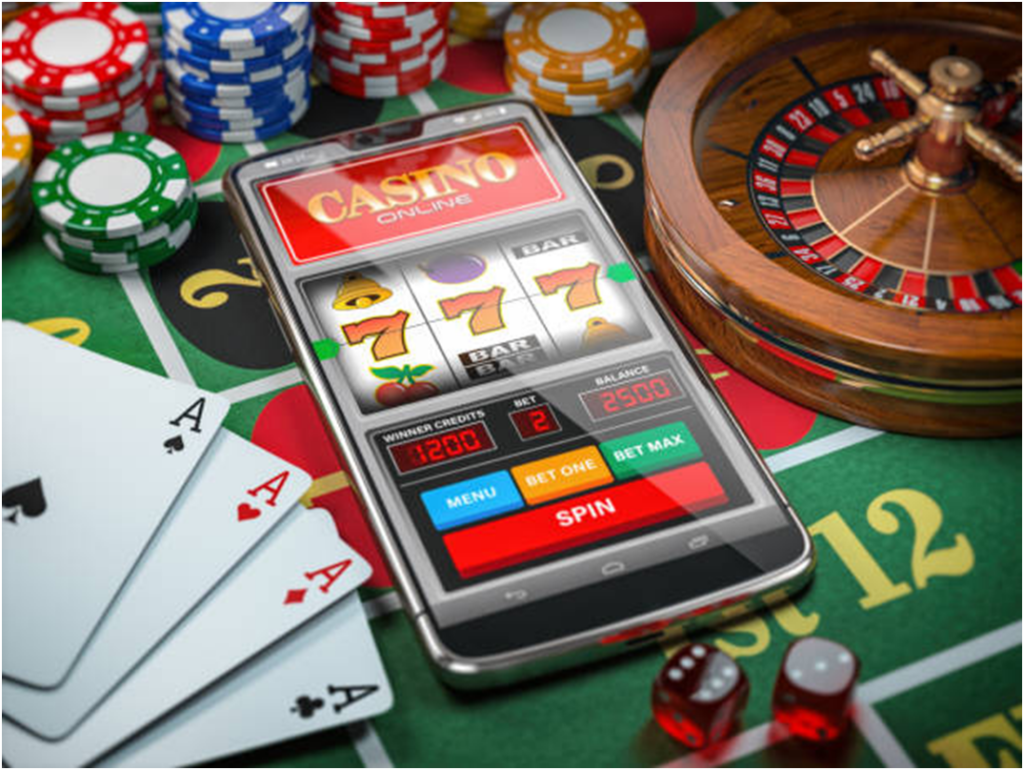
Mobile gambling apps and online betting platforms make it easy for players to access games anytime. This constant accessibility is one reason people may begin thinking about gambling more frequently.
When Money Habits Begin to Change
Another early sign often appears in the way people handle money.
Most casual gamblers begin with a clear budget. They only use money they can afford to lose and treat it as entertainment spending.
But when gambling begins to grow into a problem, financial behavior often starts to shift.
Some common early signals include:
- Increasing bet sizes more frequently
- Depositing money more often than planned
- Trying to recover losses by continuing to play
- Using funds that were meant for other expenses
Trying to recover losses through more betting is often called chasing losses.
It feels logical in the moment. A person might believe that one good win could erase previous losses.
But gambling outcomes are based on chance. Attempting to recover losses usually leads to even greater financial pressure.
Industry Statistics
Research on gambling behavior shows several important patterns:
- About 1 to 2 percent of adults worldwide develop serious gambling problems
- Around 3 to 5 percent show early warning signs of problematic gambling behavior
- Many problem gamblers report that chasing losses was one of the first habits they developed
These numbers highlight how common these early signals can be.

This type of cycle illustrates how players may respond to losses by continuing to gamble in hopes of recovering money. Over time the cycle can repeat and grow stronger.
Emotional Changes and Mood Swings
Gambling does not only affect money. It can also influence a person’s emotional state.
In the early stages, players may experience stronger emotional reactions to wins and losses.
A big win may create intense excitement and confidence. A losing session might lead to frustration or irritability.
Over time these emotional swings can become more noticeable.
Some people report feeling:
- Restless when they cannot gamble
- Irritated after losing sessions
- Extremely excited after wins
- Distracted during normal daily activities
A well known psychology researcher once described gambling behavior in this way:
“The emotional highs and lows of gambling can create a powerful psychological cycle that keeps players returning to the activity.”
These emotional patterns can make it harder for someone to step away from gambling even when they want to.
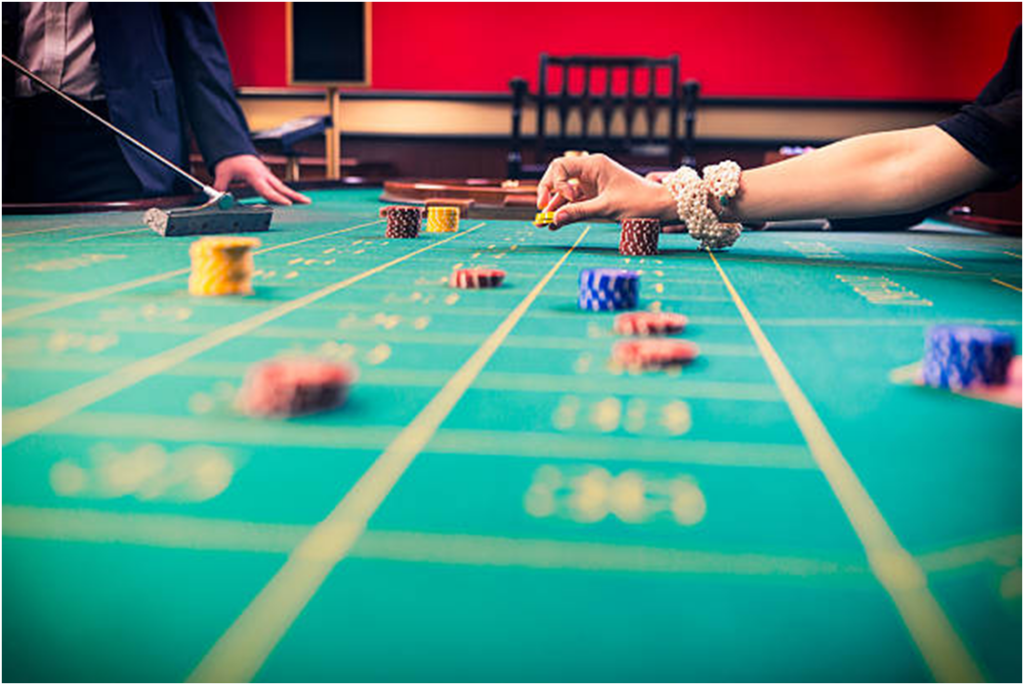
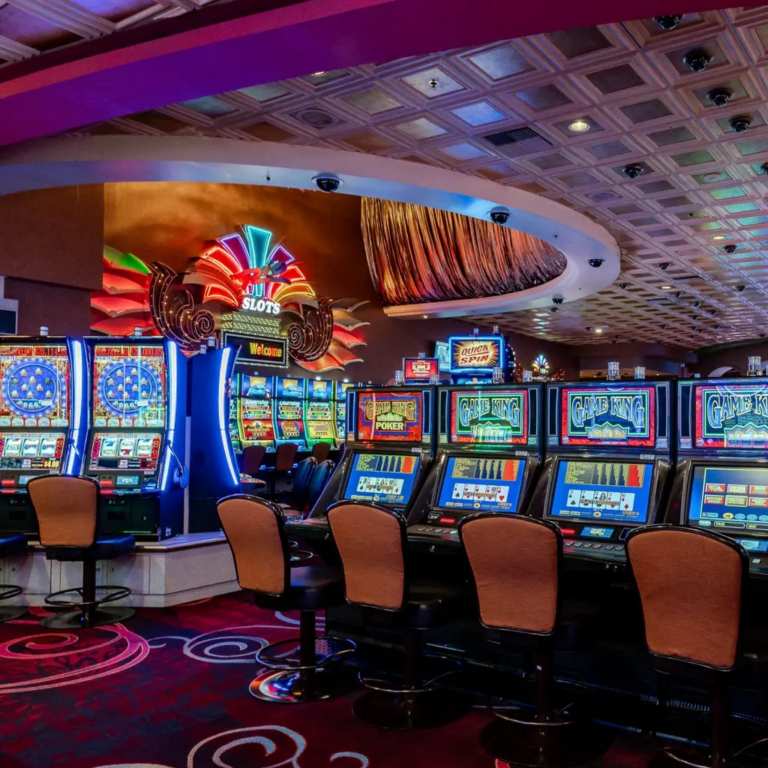
Casinos are designed with bright lights, sounds, and fast paced games that create strong emotional stimulation. These elements can intensify both excitement and frustration during gameplay.
When Relationships Begin to Feel the Impact
Another early signal sometimes appears in relationships with friends and family.
When gambling becomes more important, time spent with loved ones may slowly decrease.
A person might begin:
- Canceling plans to continue gambling
- Spending long hours on betting apps
- Avoiding conversations about money or gaming habits
- Feeling defensive when others ask questions about gambling
Family members often notice these changes before the person involved does.
A spouse of a former problem gambler once explained her experience in an interview:
“The biggest change was time. He was always on his phone checking bets. Even when we were together, his mind was somewhere else.”
These subtle relationship shifts can sometimes be among the earliest visible signs.
Recognizing the Signs Early Can Make a Big Difference
The most important thing to understand is that these early signs do not mean someone is weak or irresponsible.
Gambling problems can develop gradually in many different kinds of people.
What matters most is awareness.
When people recognize the warning signs early, they can take simple steps to regain balance. Some people choose to:
- Set strict time and spending limits
- Take breaks from gambling platforms
- Talk openly with trusted friends or family
- Seek guidance from support groups or counselors
Many people who notice the early signs are able to change their habits successfully before serious financial or emotional harm occurs.
Gambling Should Stay Entertainment
Gambling has existed for centuries as a form of entertainment and social activity. For many people it remains an occasional and harmless pastime.
The key difference lies in balance.
When gambling begins to take too much time, attention, money, or emotional energy, it may be time to pause and reflect.
Life offers many other sources of joy and fulfillment such as relationships, hobbies, creativity, and meaningful work.
Recognizing the early signs of gambling problems gives people the opportunity to protect those important parts of life.
And sometimes the most powerful step a person can take is simply noticing the change and choosing to restore balance before the problem grows larger.